




|
Кількість
|
Вартість
|
||
|
|
|||
|
|
|||
Дослідження та новаторство італійського майстра
Попри те, що багато архітекторів мають впізнаваний стиль, Ренцо П'яно прагне втілювати цілісні ідеї в надзвичайно різних проєктах. Його будівлі вражають не лише своєю унікальністю, а й різноманіттям масштабів, матеріалів та форм.
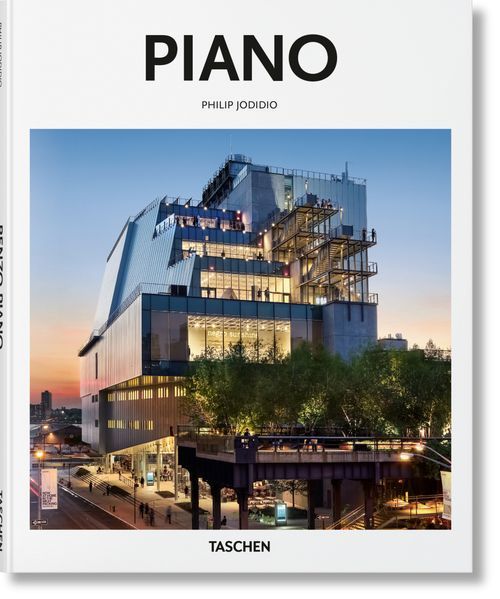
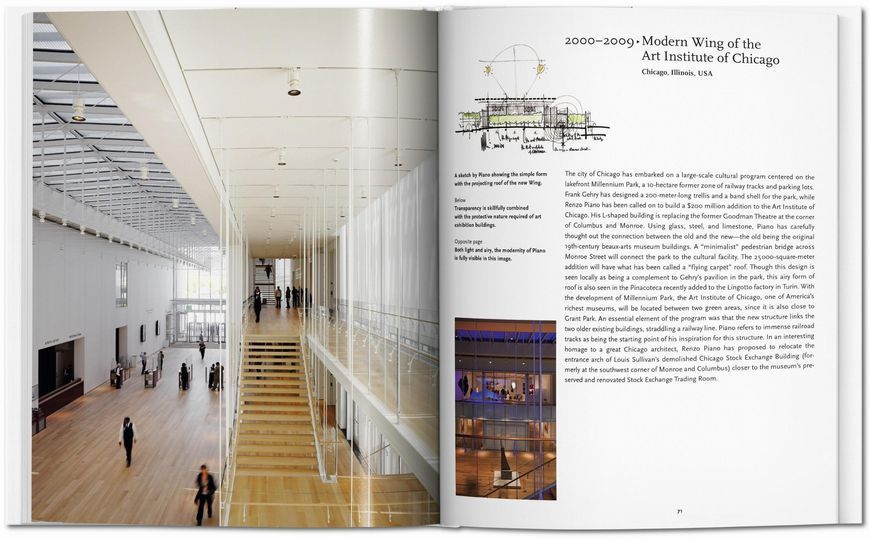
П'яно здобув міжнародне визнання після спільного проєктування Центру Помпіду в Парижі — споруди, яку The New York Times охарактеризувала як таку, що «перевернула світ архітектури з ніг на голову». Відтоді він створив чимало знакових культурних об’єктів, зокрема Сучасне крило Художнього інституту Чикаго, реконструкцію та розширення Бібліотеки Моргана в Нью-Йорку, а також останній з проєктів — Музей американського мистецтва Вітні. Ця асиметрична дев’ятиповерхова будівля в Мітпекінг-дистрикті на Мангеттені поєднує внутрішні й зовнішні галереї.
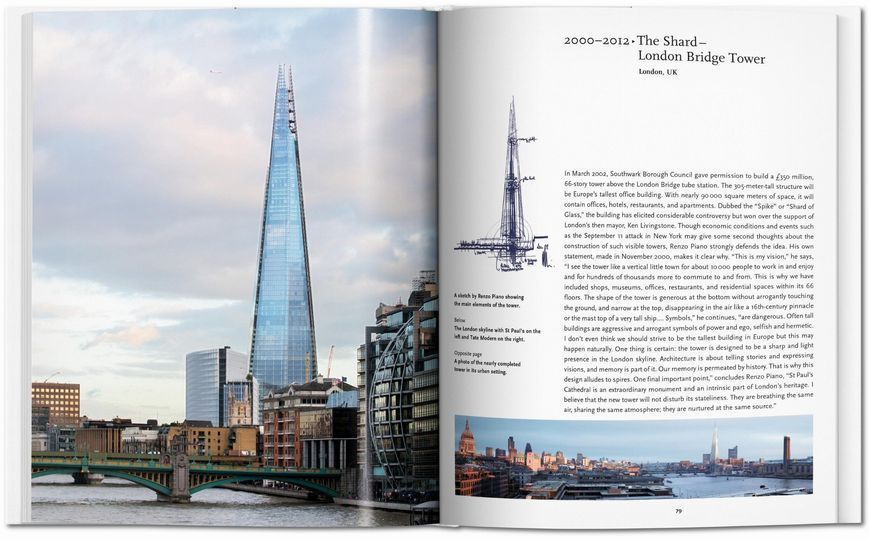
У Нью-Йорку та Лондоні «дотик П’яно» також змінив вигляд міських панорам — вежі будівлі The New York Times та The Shard (Ніготь) стали новими архітектурними символами. Остання — найвища споруда в Європейському Союзі.
Цей захопливий огляд веде нас з Осаки в Японії до Берна у Швейцарії, охоплюючи численні міста, будівлі та острови, щоб розкрити неймовірний діапазон творчості Ренцо П'яно. Від «навиворіт» Центру Помпіду до легких оболонок Культурного центру Чібау в Новій Каледонії — це подорож крізь архітектурну красу, де, за словами самого П’яно, «кожного разу — наче життя починається заново».
____________________________________________________________________________________________________________________________________________
The exploration and iconoclasm of an Italian master
While some architects have a signature style, Renzo Piano seeks to apply coherent ideas to extraordinarily different projects. His buildings impress as much for their individual impact as for their diversity of scale, material, and form.
Piano rose to international prominence with his codesign of the Pompidou Center in Paris, described by The New York Times as a building that “turned the architecture world upside down.” Since then, he has continued to craft many high-profile cultural spaces, including the Modern Wing of the Art Institute of Chicago; the Morgan Library Renovation and Expansion in New York; and, most recently, the Whitney Museum of American Art, an asymmetric nine-story structure in Manhattan’s Meatpacking District with both indoor and outdoor galleries. In New York and London, the Renzo touch has also transformed the skyline with the towers of the New York Times Building and the Shard, the tallest building in the European Union.
This essential introduction travels from Osaka, Japan, to Bern, Switzerland, and through many cities, structures, and islands in between, to explore the staggering scope of the Renzo Piano repertoire. From the “inside-out” Pompidou to the airy shells of the Tjibaou Cultural Center in Nouméa, New Caledonia, this is a thrilling journey through the beauty of architecture, where, in Piano’s own words, “each time, it is like life starting all over again.”